How it all began
2006 was not only the year in which Kai and Michael's lives changed fundamentally. It was also the birth of THE ROKKER COMPANY and the end of boring motorcycle clothing. Read the exciting and extraordinary story of THE ROKKER COMPANY in 10 chapters.

Chapter 1: The Big Bang
Fall 2006: After a long motorcycle tour on their Harley V-Rods, Michael Kuratli and Kai Glatt are sitting in their local pub. They are young, only in their late twenties. They are brave. They are hungry for adventure. And they wonder why there are no nice motorcycle jeans. They think the ones on offer are ugly. So why not make their own? The Schoeller company is based just a 15-minute drive away. A leading global manufacturer of functional fibers. If that's not a hint, what is? Kai and Michael each grab a pair of well-fitting jeans and stand in front of the Schoeller managing director a few days later. Their idea: abrasion-resistant jeans, water-repellent, safe. He shows them a BMW suit that the company had already produced in the early nineties. The two boys agree: the material is great, the look appalling. They buy five meters of abrasion-resistant Schoeller Dynatec and take it to a tailor along with their favourite jeans.

Chapter 2: Pick up your shit here!
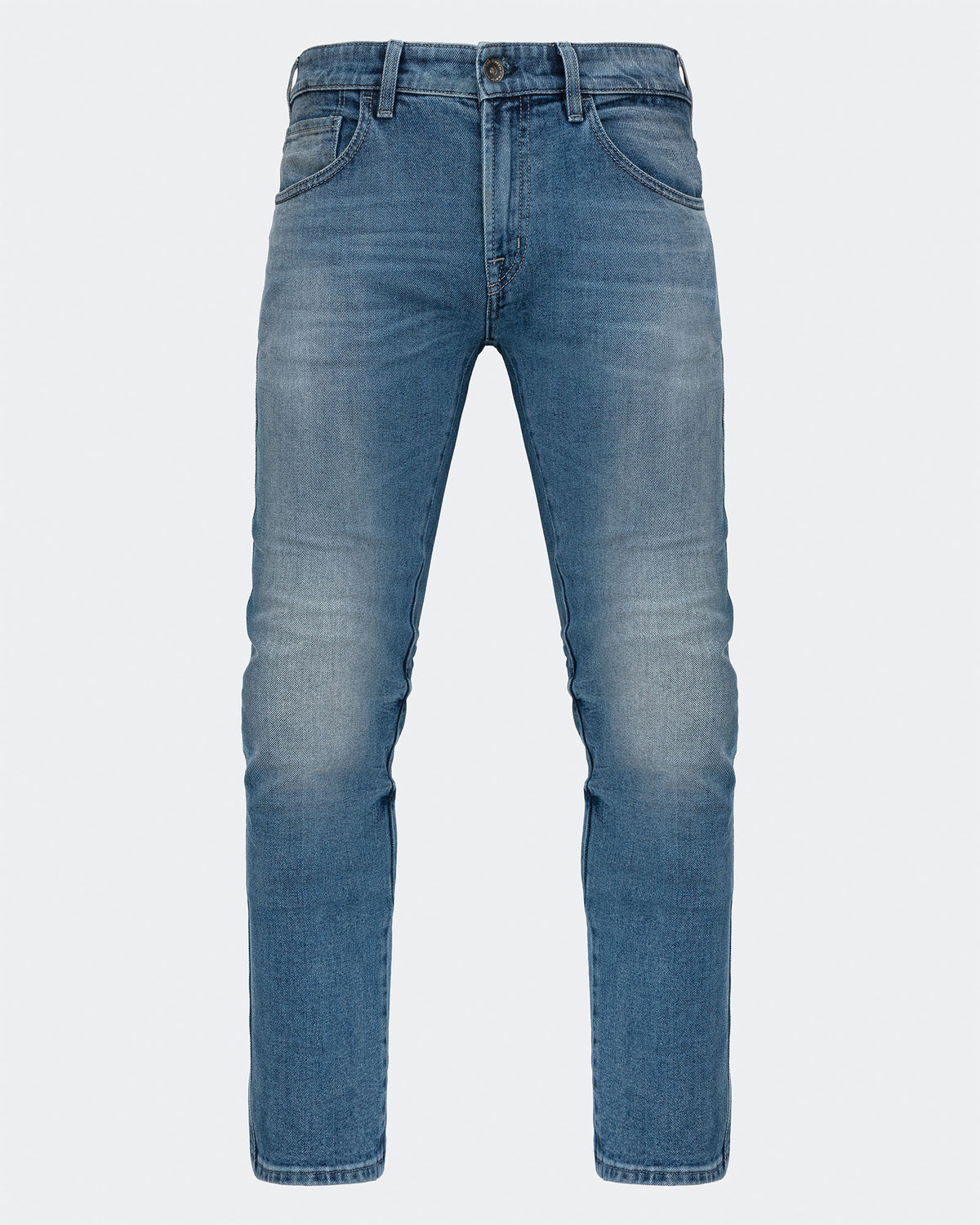
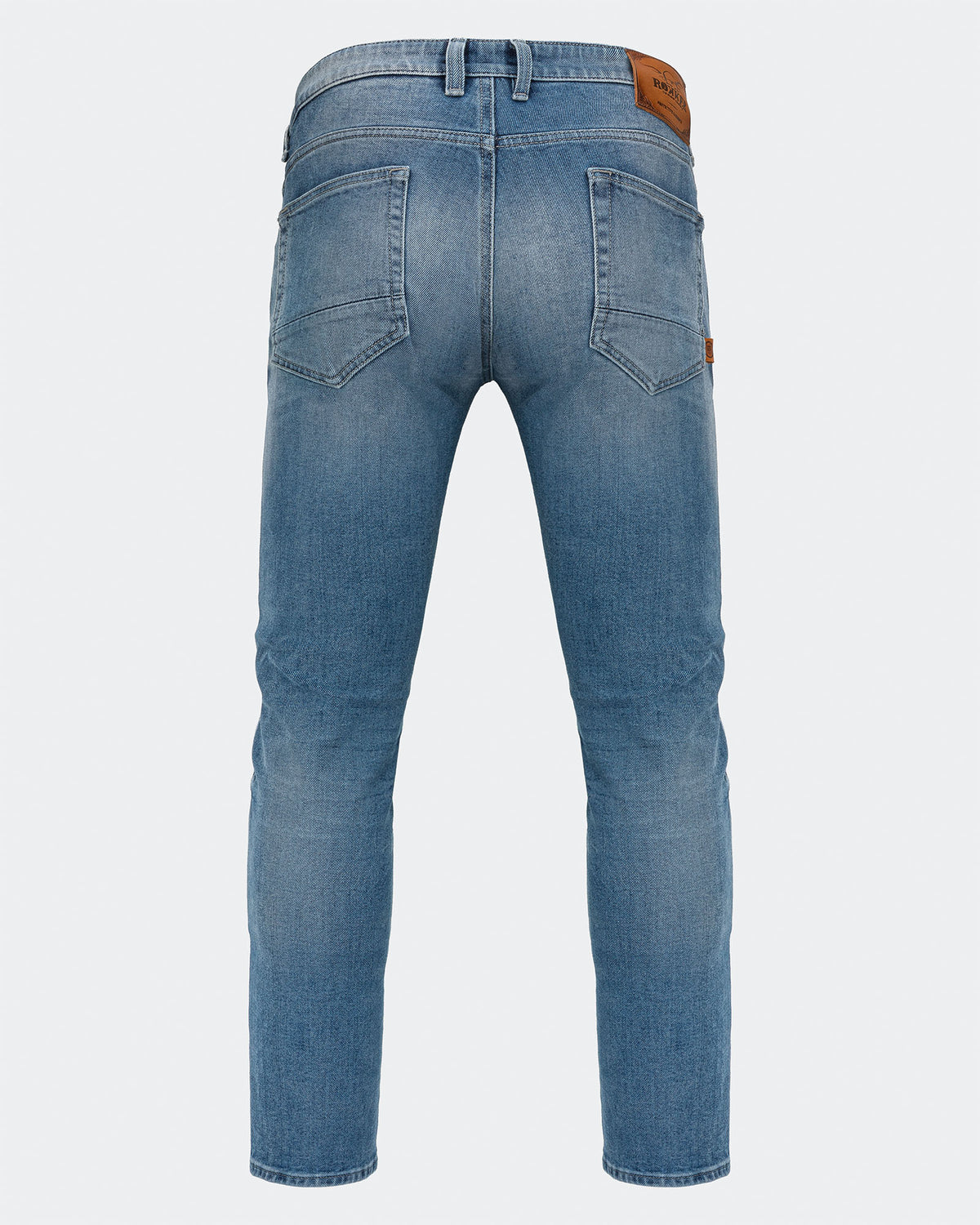
A futile effort. The tailor is unable to marry the Dynatec fabric to the jeans and swears about broken needles and the difficulty of penetrating the fabric. Two further attempts with other tailors also fail. At some point, Kai and Michael are surfing again and happen to meet a young guy who is training to be a tailor. He takes the two pairs of pants with him. And achieves the impossible. On December 22, 2006, Michael and Kai hold their first pair of motorcycle jeans based on a Levi's 501 in their hands. They feel good. They fit perfectly. They look good. It is the birth of ROKKER jeans, even if they are not yet called that. An idea flares up in the minds of our protagonists: why not produce something like this in series?

Chapter 3: You are completely stupid!
Kai is a business economist and Michael works in international sales. A brilliant combination if you want to start your own business. But it's not that far yet. The idea is there and the first two pairs of pants are available, and after many nights of drinking, the two have even found a name for their imaginary label, but - does anyone even want the product? The boys do the housewife test. They make a nice wooden box, put a pair of trousers in it and march off to the Swiss-Moto trade fair in February 2007. They thought to themselves: "High-quality men's favorites such as cigars, wine and whiskey are presented in elaborate wooden boxes. So why not jeans? The jeans are abrasion-resistant, cooling, water-repellent and have a great look - there's nothing like them yet. But the price! 500 Swiss francs! 99 out of 100 retailers asked predicted that the good idea would fail due to the high price. "You're completely stupid!" they say.

Chapter 4: Trial makes perfect
One movie says: "If you give up your dream, you die." Kai and Michael believe in their idea. But the search for suitable production facilities turns out to be more difficult than they thought. They have no experience in the field. They don't have a company behind them. And they only want to produce a small quantity: 300 pairs of pants. At the latest when this amount is mentioned, the other side often hangs up the phone: too small. A laughing stock. A friend of a friend knows someone who works in the clothing industry in Portugal. The two of them empty their bank accounts and invest everything they have to produce these 300 pairs of pants in Portugal and make the dream a reality. In May, they present their pants for the first time at a US bike show and sell nothing. In the fall of 2007, they set up merchandise at the Harley Bike Week in Faak: 300 well-made wooden boxes, each containing a self-made brochure, a T-shirt and a pair of pants. The weather is lousy, but this circumstance plays into their hands. Because the pants they sell are involuntarily checked for leaks on site. The buyers are delighted. Word gets around.
Chapter 5: Coincidence helps again
At the end of 2007, the 300 pairs of pants are sold. Kai and Michael take part in a young entrepreneur competition and win a sponsorship prize in December 2007. The national media are going crazy. The demand too. After winning, Michael quits his job and joins ROKKER full-time, but both boys push the idea forward with all their might. They fly to Portugal, unsuspecting but not without luck. In a surf store, Michael happens to meet a guy who produces T-shirts. A direct hit! They still have a relationship with the manufacturer today, the quality is right and is also compatible with their credo of producing everything in Europe. However, 400 euros for a pair of biker jeans was a real statement in those days. Even if they come in an elegant wooden box with a T-shirt. However, their newly acquired dealers are more than committed to selling the ROKKER jeans, because the margin is right. Kai and Michael already had a stand in Daytona Beach in 2008. Two stark contrasts emerge. The Europeans are immediately on board when they hear the following: These are not jeans you can ride a motorcycle in. It's a pair of motorcycle pants that look like jeans. In the USA, the hurdle is different: explain to someone there who doesn't wear a helmet that it's important to protect their legs.

Chapter 6 : A world of its own
In 2009, the ROKKER boys already have 10 dealers in Europe and several products such as hoodies, T-shirts and four models of pants. Kai quit his job long ago and, like Michael, is a full-time ROKKER. Sales are booming. Many Harley dealers offer ROKKER products and have jumped on the bandwagon. As the bandwagon picks up speed, the competition doesn't take long to catch up. Wholesalers such as Held, Hein Gericke, Polo and Louis flood the market with their interpretations of motorcycle jeans and Harley-Davidson also launches its own biker jeans in 2013. All of them are cheaper than ROKKER jeans. But by no means prettier. Kai and Michael focus on high-quality, beautiful denim and the best workmanship. But it's not just quality that secures them market share. In fact, the high price turns out to be a key to success: customers are proud to have bought a pair of ROKKER jeans and automatically become ambassadors for ROKKER. The fact that Harley prohibits the Swiss from displaying their products on the shelves of dealers also proves to be a stroke of luck in retrospect. It forced Kai and Michael to design their own racks and presentation areas. The result is a ROKKER corner in the Harley stores. A world of its own. Just the way the two of them like it.

Chapter 7: Competition stimulates business
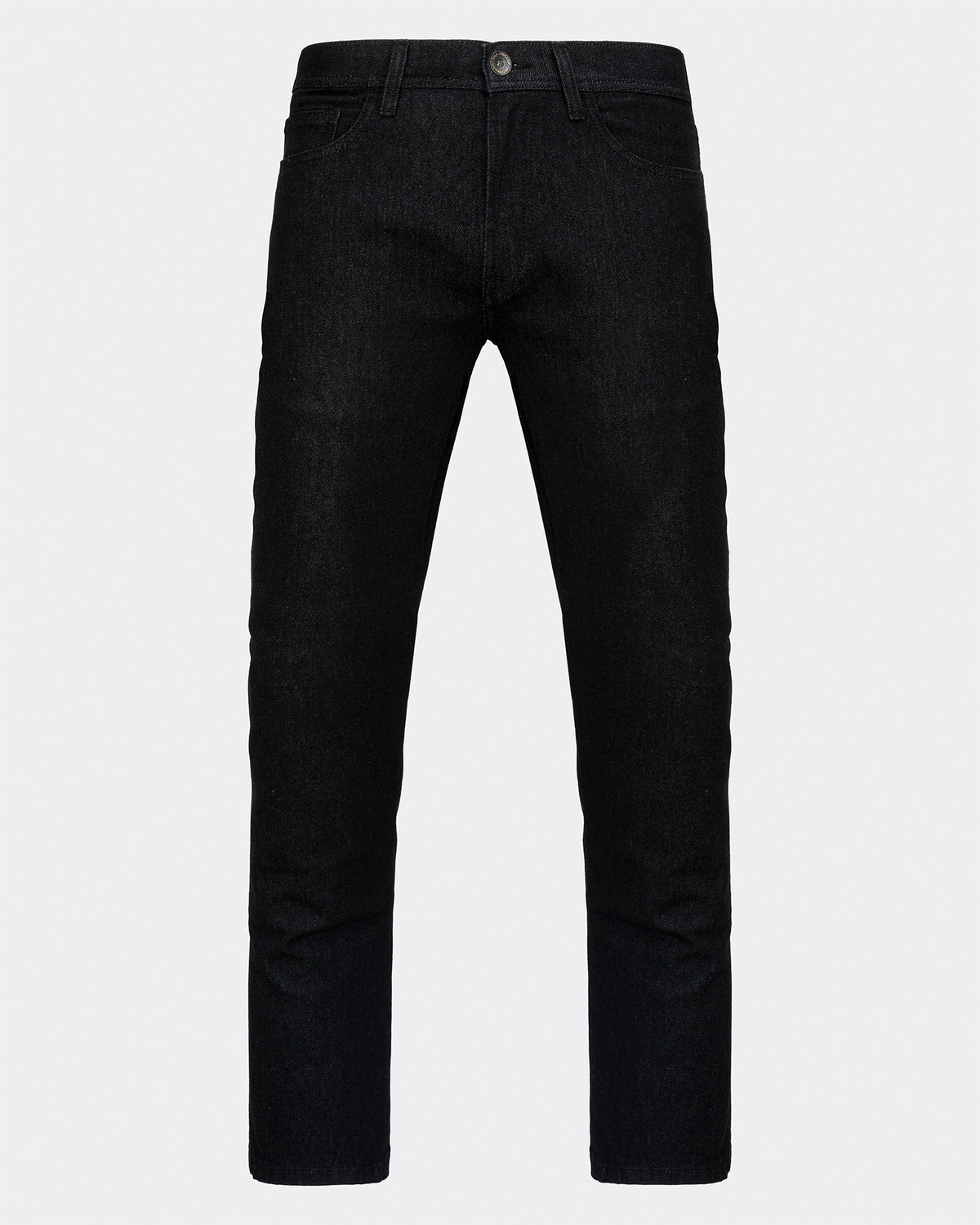
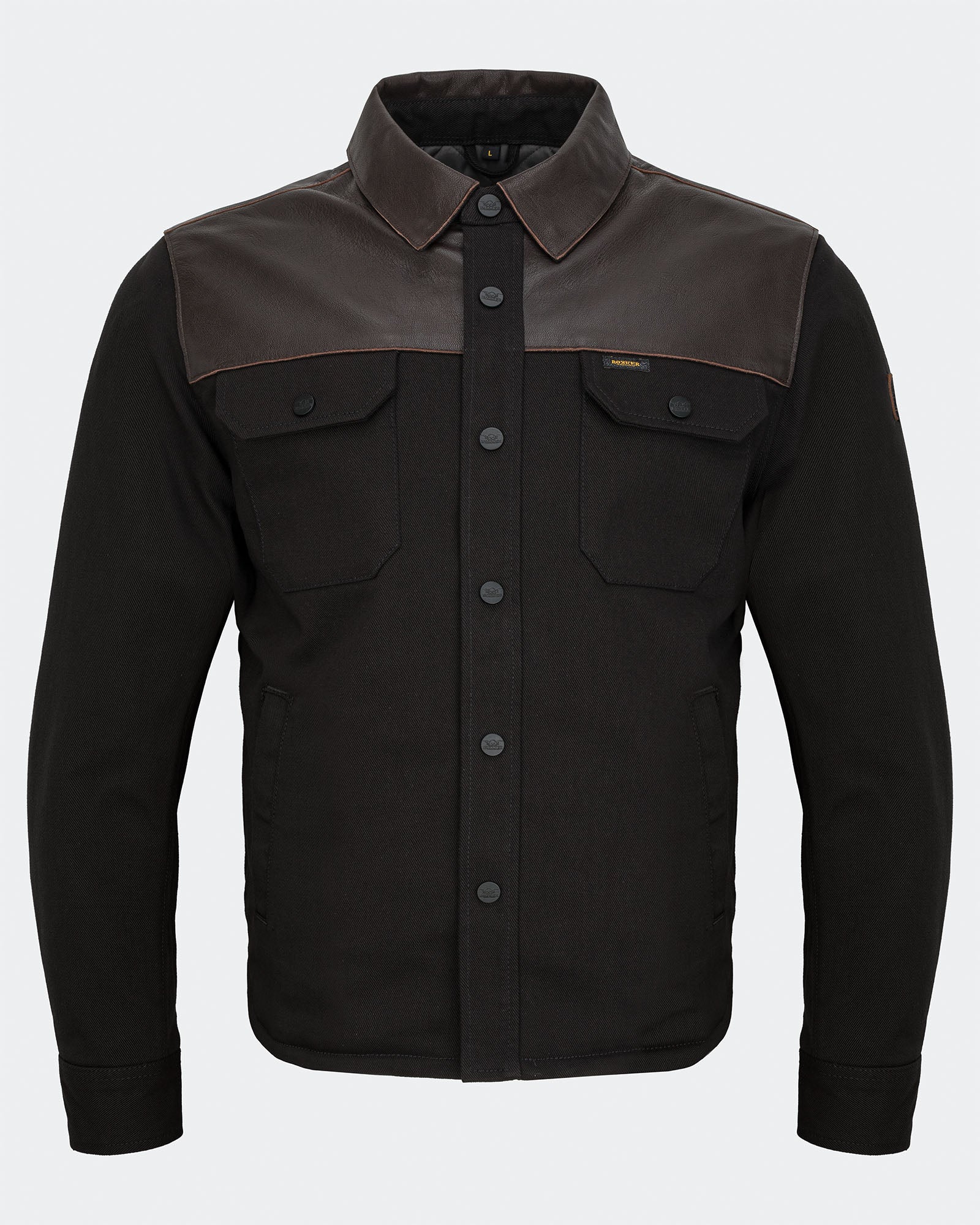
Looking back, Kai and Michael say that the strong competition boosted their business rather than disrupted it. Today, the boys have almost 400 products on the market and export to 35 countries. The road to success has been marked by setbacks, often due to ignorance or lack of awareness. Driven by the desire to produce only the best quality, the two had to change producers several times. Especially when they expanded their portfolio to include leather goods: Jackets. Shoes. Bags. Belts. Since ultimately only quality ensures survival, they are constantly on the lookout for the ideal manufacturer. For ROKKER, the best manufacturer should definitely produce in Europe. Today, the range extends from motorcycle shoes that look like you could wear them to the opera with a clear conscience to tweed-look safety pants that even a fashion-focused Italian banker wouldn't disdain. And while in the early years the focus was on two-layer jeans - safety fabric on the inside, beautiful denim on the outside - the ROKKER COMPANY is taking a new approach with its ROKKERtech fabric. The abrasion-resistant fiber is wrapped in denim. You can only feel the denim on your skin. The fabrics are lighter.
More comfortable. More stylish.

Chapter 8: RIDING CULTURE
In 2020, Kai and Michael launched RIDING CULTURE, a second brand that deliberately targets a new, younger, and edgier audience. It features a distinctive, modern collection perfectly tailored to the desires and lifestyle of a new generation of motorcyclists.
Casual cuts, fresh designs, and innovative materials combine style, comfort, and protection. Young, uncomplicated, self-assured, and with a healthy dose of sass—just like the people RIDING CULTURE is made for.

Chapter 9: The wild Brazilian
But how do you design something like this? The man behind almost all the designs is Geo, a Brazilian kid in his late forties with wild curls down to his
ass and a lot more ideas than money. Chance drove him into the arms of Kai and Michael in Portugal nine years ago. Geo had previously designed clothing for popular surf labels and was looking for a new challenge. His first designs were already convincing. Since RIDING CULTURE, he has increased his 80% job at THE ROKKER COMPANY to 100%. When he's not at the computer, he's surfing or skating. And that is the key to his success: he lives what he does and is absolutely authentic.

Chapter 10: Standing up to the wind
Kai, Michael, and their team are focused on further internationalizing their brands, ROKKER and RIDING CULTURE, as well as shaping the future of motorcycle apparel. With innovative materials, new technologies, and smart product solutions, they aim to continually push the boundaries between protection, comfort, and style. Their vision remains clear: to continue developing motorcycle apparel that meets the highest safety standards without looking or feeling like traditional protective gear.
Standing still is not an option for the two of them. They question the status quo, constantly rethink things, and are always looking for ways to make their products even better. And who knows what surprising innovations and new products ROKKER and Riding Culture will use to thrill the motorcycle world in the future?
It goes without saying that Kai and Michael remain loyal to the motorcycle scene. They’re not just entrepreneurs, but passionate riders who experience and test their products firsthand on the road. That’s precisely where a key part of their success lies:
They don’t just live their dream. They love what they do. And they do what they love: riding motorcycles.
This article was published in Fuel magazine 3/2021. Thank you very much.
Bestseller